-
 2025 forthcoming journal
Dark Patterns and Online Consumer Vulnerability
Behavioural Public Policy
Abstract
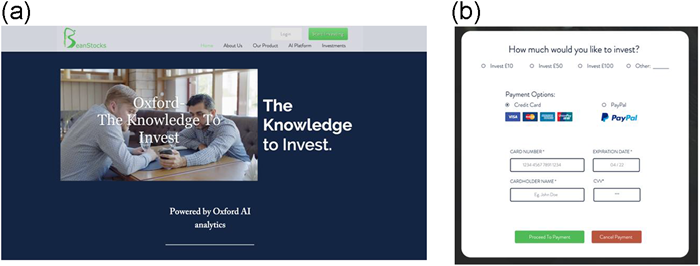
Dark patterns that manipulate consumer behaviour are now a pervasive feature of digital markets. Using a novel empirical design, we find strong evidence that individuals across all groups are susceptible to dark patterns, and only weak evidence that user susceptibility is materially affected by commonly used general proxies for consumer vulnerability (such as income, educational attainment or age). Our study also finds that added friction, in the form of required payment action following successful deployment of dark patterns, reduces their effectiveness.
-
 2025 forthcoming journal
Digital Markets and Hidden Noncompliance
Journal of Legal Studies
Abstract
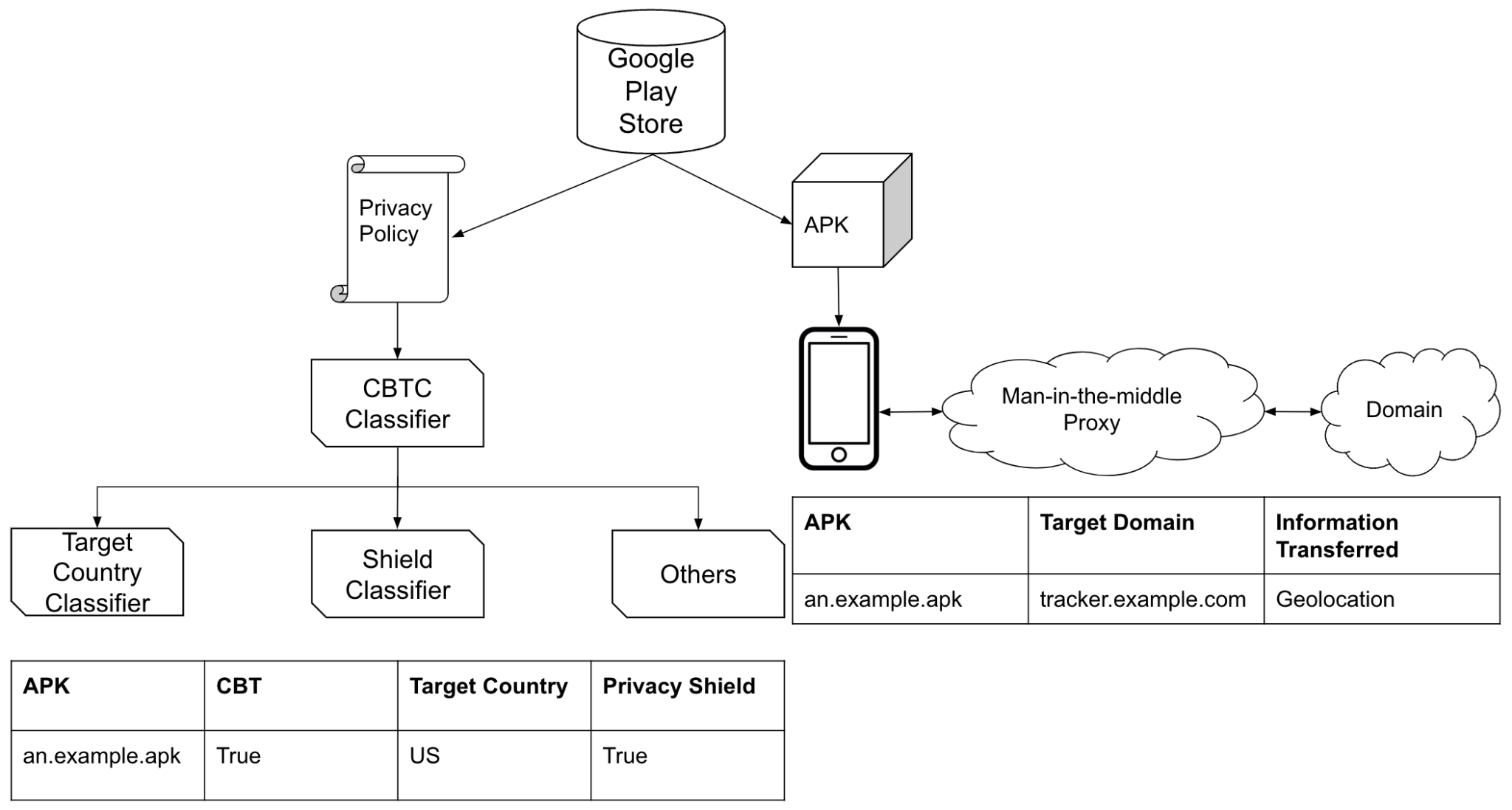
Regulatory oversight in digital markets poses a significant challenge. Using European privacy law as a case study—and focusing on the fallout from the European Court of Justice's 2020 invalidation of the EU-US Privacy Shield—we examine how over 2,500 apps from the Spanish Google Play Store responded to this legal shift. We find a striking divergence between firms' stated privacy policies and their actual cross-border data transfer behaviors. Drawing on tools from IT security research to observe data flows typically inaccessible to legal scholars, we show that traditional policy-based methods may miss a substantial share of violations.
-
 2024 chapter
Predistribution versus Redistribution: The Role of Competition Law
Research Handbook on Sustainability and Competition Law
Abstract
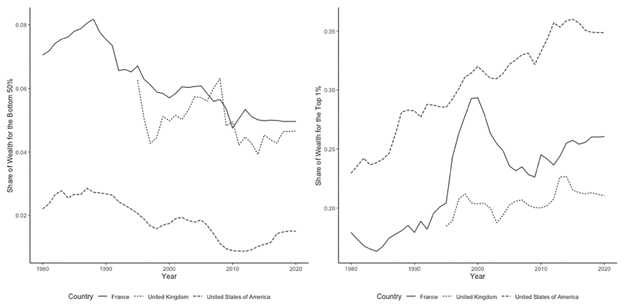
After decades of post-WWII prosperity, economic inequality levels have been increasing in many parts of the world. This chapter examines the complex interlinks between effective competition law, intense competition, and economic inequality, arguing that competition law operates as a pre-distributive tool—shaping market outcomes before redistribution—rather than merely alleviating poverty after the fact.
-
2024 journal
Is Generative AI the Algorithmic Consumer We Are Waiting For?
Network Law Review
Abstract
Most studies on the competitive effects of Generative AI focus on the supply side. In this article, we focus on the potential effects of Generative AI on competition that arise from an active use on the demand side, by consumers seeking goods and services. We explore the possibility that LLMs can act as truncated algorithmic consumers, assisting consumers in deciding which products and services to purchase, thereby potentially reducing consumers' information costs and increasing competition. We then analyze limitations and competition concerns, showing how LLMs' modus operandi leads to outcome homogenization and increases entry barriers for new competitors.
-
 2024 conference
Automated Large-Scale Analysis of Cookie Notice Compliance
Proceedings of the 33rd USENIX Security Symposium
Abstract
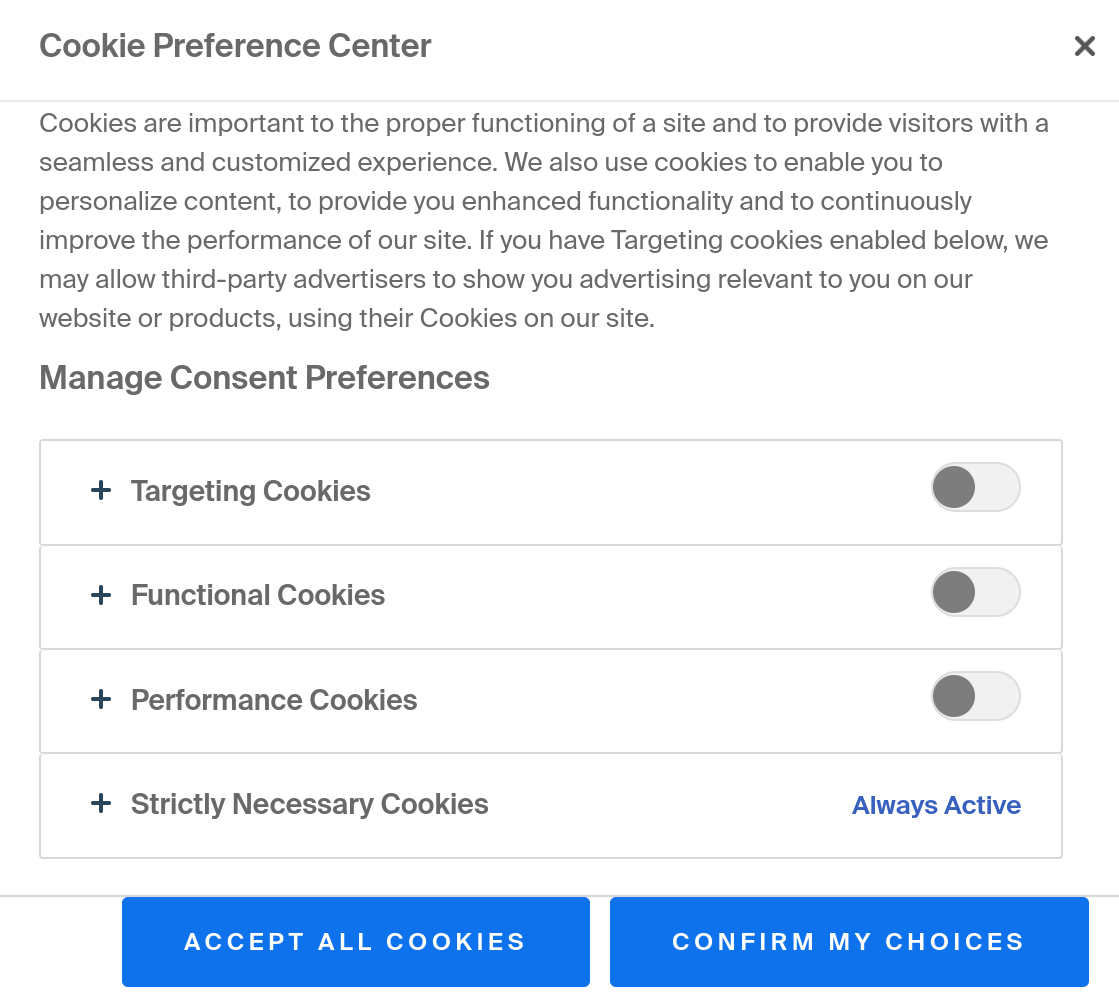
We present the first general, automated, large-scale analysis of cookie notice compliance. Our method interacts with cookie notices, observes declared processing purposes and available consent options using Natural Language Processing, and compares them to the actual use of cookies. We provide a general view of the overall compliance picture using a set of 97k websites popular in the EU. We report that 65.4% of websites offering a cookie rejection option likely collect user data despite explicit negative consent.
-
 2023 journal
Competition Policy and the Labour Share
Journal of Law, Economics, and Organization
Abstract
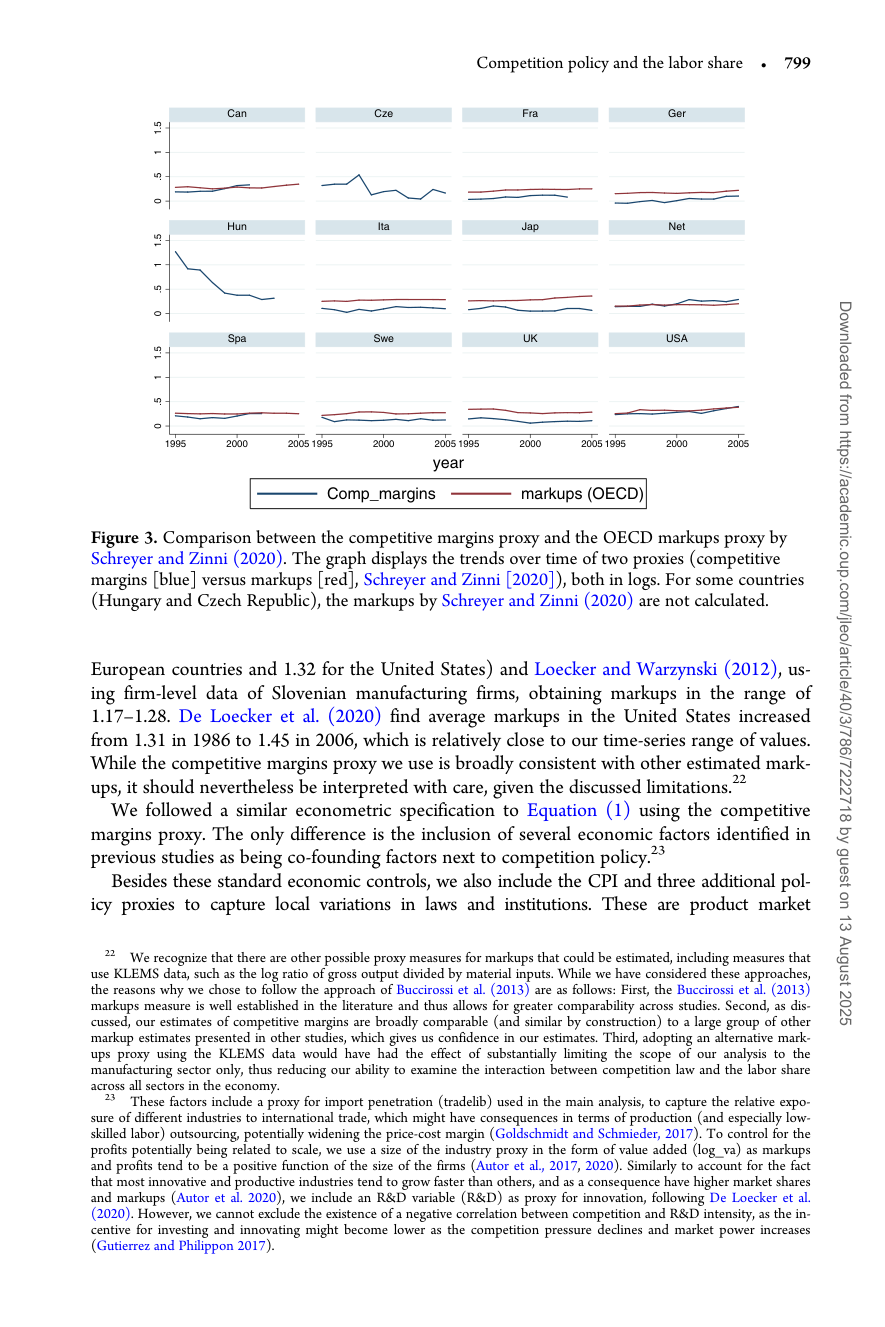
Recent years have seen intense debate about the causes of the observed decline in the labor share. We extend this inquiry by investigating whether the design and enforcement of competition law and policy are associated with changes in the labor share. Using a panel of 22 industries in 12 OECD economies, we find a positive statistical association between the effectiveness of competition policy and changes in the labor share over the period 1995–2005.
-
 2023 conference
SUSTAINABLESIGNALS: An AI Approach for Inferring Consumer Product Sustainability
Proceedings of the Thirty-Second International Joint Conference on Artificial Intelligence (IJCAI 2023)
Abstract
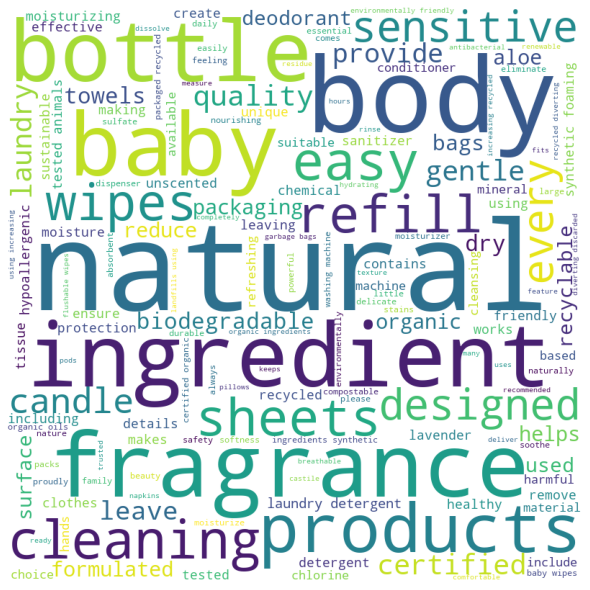
Everyday consumption of household goods is a significant source of environmental pollution. We contribute an analysis of the online environment, exploring how the dynamic between sellers and consumers surfaces claims and concerns regarding sustainable consumption. We propose a machine learning method that can discover signals of sustainability from these interactions. Our method, SUSTAINABLESIGNALS, is a first step in scaling up the provision of sustainability cues to online consumers.
-
 2023 journal
The Effects of Competition Law on Inequality — An Incidental By-Product or a Path for Societal Change?
Journal of Antitrust Enforcement 11(1), pp. 51-73
Abstract
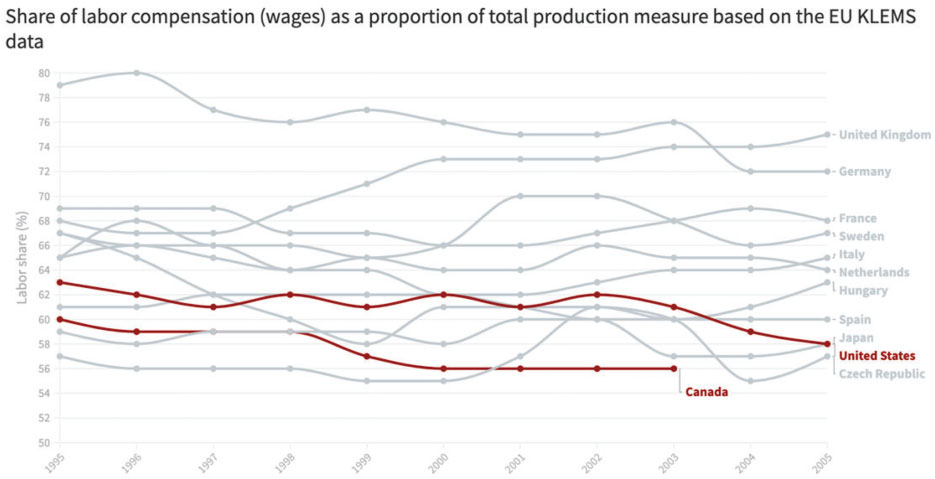
Rising economic inequality presents society with unprecedented challenges. In this article we explore whether competition law can play a role in reducing the widening inequality gap. We outline the possible relationship between competition law enforcement, market power, and economic inequality, supplement the theoretical discussion with empirical analysis, and emphasize the role of labour compensation as a key mechanism linking competition law enforcement, competition dynamics, and economic inequality.
-
2022 other
Global vs Local: What Drives Changes in Labor's Share of Income
ProMarket, Stigler Center, University of Chicago Booth School of Business
Abstract
A new working paper examines the relationship between competition policy and the decline in the labor share across the developed world and finds that effective competition policy may be an important factor in lowering levels of economic inequality.
-
2022 chapter
A Cross-Country Analysis of the Relationship between Competition Law and Economic Inequality
Competition Law and Economic Inequality (Hart Studies in Competition Law)
-
 2022 journal
Competition Law and Economic Inequality: A Comparative Analysis of the US Model of Law
Journal of International Economic Law 25(3), pp. 484-500
Abstract
To what extent does the choice of competition law model correlate with economic inequality? This article utilizes a comparative legal approach and a unique estimation framework based on textual similarity to estimate the differences between the US and EU models and provides evidence that countries that adopt a US-style antitrust model are more likely to exhibit higher income inequality levels over time.
-
 2022 journal
Competition Law Enforcement and Household Inequality in the United Kingdom
Journal of Competition Law and Economics 18(4), pp. 905-935
Abstract
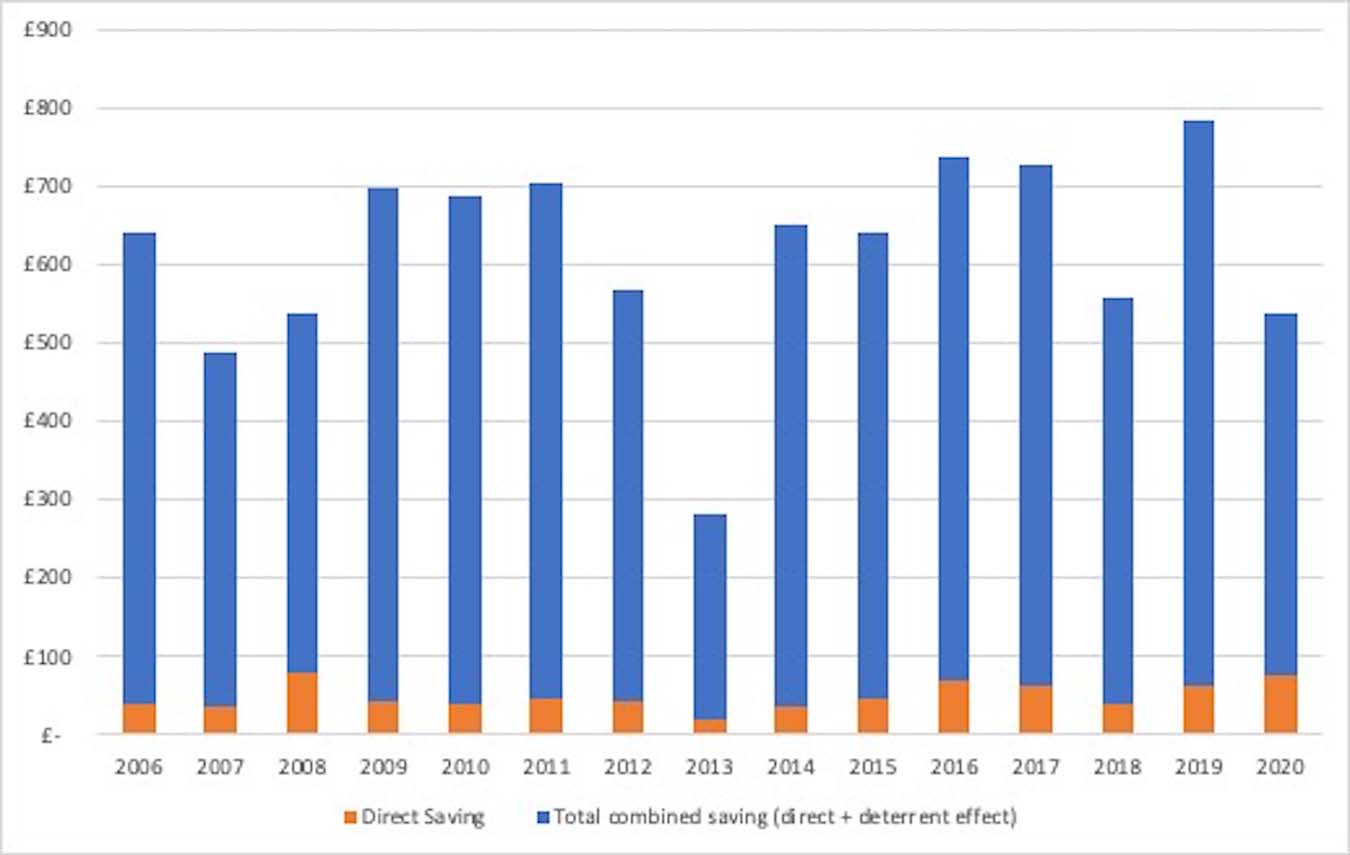
Using a comprehensive database of all the decisions made under European and U.K. competition laws over the 15-year period to 2020, alongside households' consumption and market data, we estimate the level and distribution of the savings from enforcement across the United Kingdom. We find that competition law enforcement generated greater proportional savings for lower- and average-income households relative to the wealthiest households.
Publications
Publications
Research on competition, inequality, digital markets, and computational enforcement